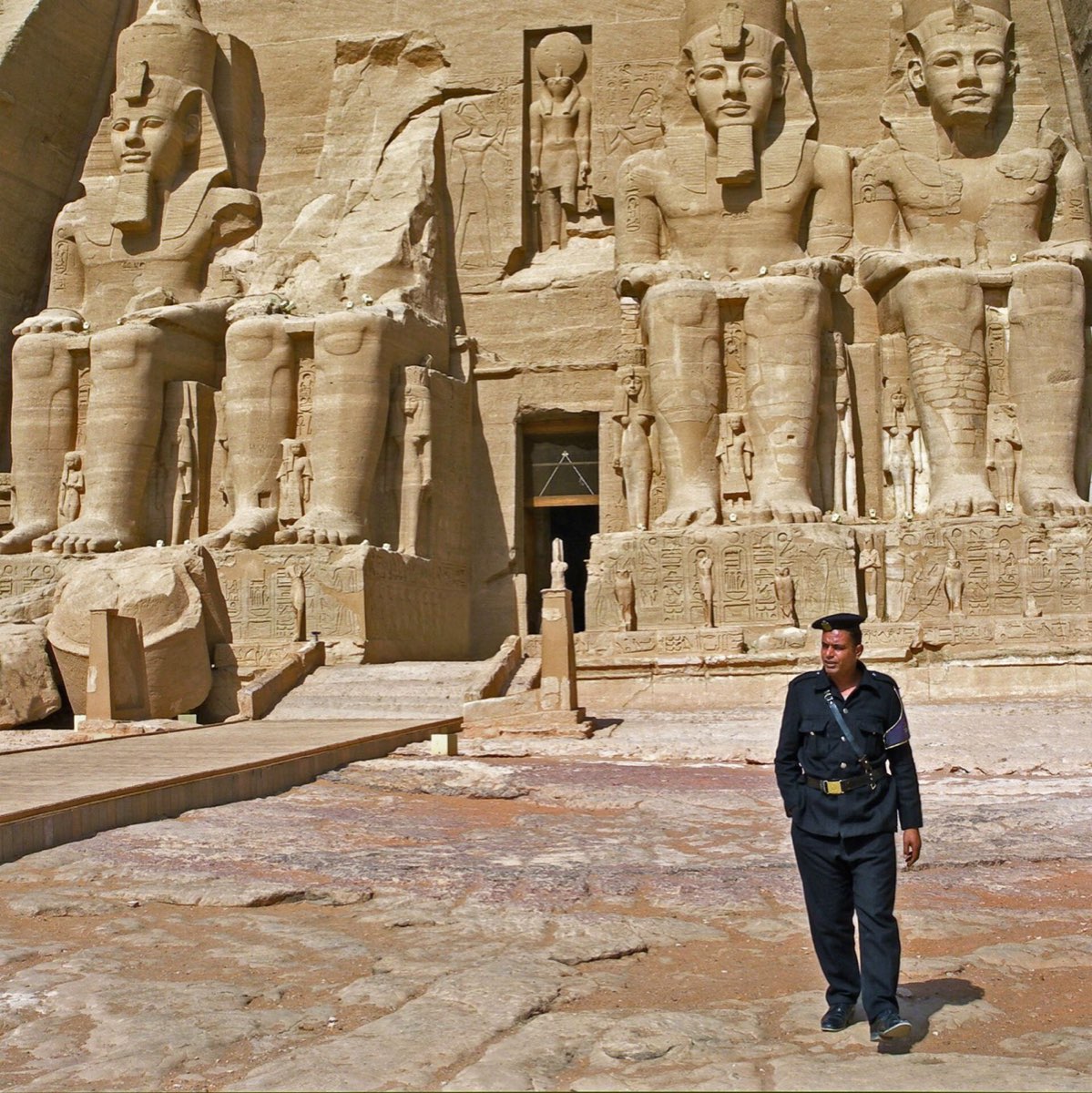
Ramesses II casts a long shadow across Thebes — colossi, abu simbel rhetoric, hypostyle columns scaled to overwhelm. His father Seti I left a different signature: precision. The Seti I chapel within Karnak's sprawling complex preserves relief carving so fine that art historians use it as a classroom standard. We spent a morning here after the hypostyle rush thinned, reading walls where pigment ghosts still cling and every line seems cut with jeweller's patience rather than imperial haste.
Seti before Ramesses
Seti I restored order after Amarna upheaval and brief reigns that fractured theological confidence. His building programme reasserted Amun's supremacy with craftsmanship that advertises legitimacy through quality, not only size. The chapel at Karnak functions as devotional annex — smaller chambers where king and god meet in intimate register after visitors survive the hypostyle's vertical theatre.
Knowing Seti as restorer reframes the reliefs: you are looking at political theology rendered in chisel strokes — each offering scene argues that rightful kingship returned.
Relief technique and colour ghosts
New Kingdom artists here employed raised and sunk relief combinations, polishing surfaces to catch raking light. Many scenes retain traces of blue, red, and yellow — enough to imagine original saturation without full reconstruction fantasy. Compare adjacent Ramesside additions where line weight thickens and figures swell: father and son aesthetics diverge on the same campus.
Bring a torch or phone light at an angle to read worn cartouches. Midday sun can flatten depth; late afternoon side light resurrects carving that noon bleaches.
Locating the chapel in Karnak's map
Karnak disorients first-time visitors. Obtain a current plan at the ticket booth or use a trusted map app offline. The Seti chapel sits within the complex's northern and central zones depending on restoration routing — signage changes. Ask guards politely for "Seti chapel" rather than wandering randomly; they redirect daily.
- Hypostyle first or last — we prefer hypostyle at opening, chapel mid-morning when light enters side doors.
- Lens choice — macro detail shots need steady hands; tripods may be restricted.
- Mut precinct pairing — south Karnak folios complement Seti's north-central finesse.
- Guide noise — independent reading is easier when tour groups pass through quickly.
Theological programmes on a small scale
Chapel walls cycle through offering formulas, festival scenes, and divine genealogies compressed into walkable space. Unlike temple pylons that shout to crowds, these registers whisper to priests and king. Stand at the sanctuary threshold and trace the sightline — architecture choreographs who sees which god at which moment.
Seti's Abydos temple remains the masterpiece comparison; Karnak's chapel is the portable folio version — same hand, smaller page.
Field notes for folio readers
Karnak's scale exhausts attention budgets — schedule Seti before fatigue sets in or after a rest day. Chair rental exists near gates; pride costs hieroglyph comprehension in overheated afternoons.
Photograph cartouches at multiple angles; raking light at 9:00 differs from 11:00. Your folio appendix can hold sequential images of the same wall telling time's story.
Respect active prayer or ritual spaces if encountered — chapel zones may be cultural as well as archaeological depending on festival calendar.
East bank parking fills by mid-morning in peak season — folio readers who prioritize Seti over selfie pylons still need strategic drop-off timing near Karnak gates.
Bring a small LED panel only if regulations allow — some guards interpret flash gear broadly. When in doubt, sketch reliefs by hand; Seti's lines train drawing skill better than autofocus hunting in dim chapels.
End your Karnak folio day by listing three relief details you could not see elsewhere — Seti rewards specificity over volume.
Some chapel chambers close during conservation. If a door is locked, note the season in your folio — reopening schedules are not always published online.
Comparing dynasties on the same campus
After Seti, walk to nearby Ramesside pylons and consciously compare line quality — shoulders broaden, ankles thicken, inscriptions deepen for shadow at distance. The chapel trains your eye for craft politics: when does finesse yield to legibility at scale? Egyptology exams ask this; your folio can answer from field notes rather than slides.
Photographers should bracket exposures — interior chapel light is low contrast compared to exterior hypostyle glare. RAW files preserve ceiling pigment traces better than phone defaults.
Why Seti belongs in your Karnak day
Karnak without Seti is volume without refinement — all cathedral nave, no illuminated manuscript. The chapel teaches that Egyptian art scales down as successfully as up. Leave with eyes retrained: when you return to Ramesside walls, you will see where boldness replaced finesse and why both strategies served power differently.
Exit toward the sacred lake if time allows; water reflects columns while your notes still hold Seti's line weights — a folio entry worth writing before the heat erases patience.
Winter mornings bring softer side light into chapel doorways — annotate cartouches then, photograph pylons at golden hour later. Karnak rewards split-day scheduling more than single blitz visits.
Ticket inspection at Karnak gates can consume time — arrive before opening to buffer delays. Seti's chapel does not reward rushed insertion between bus departures; schedule a full east bank morning if possible.
Carry a pocket hieroglyph sign list — offering formulas repeat with variation, and Seti's walls are a workbook for beginners willing to match glyphs to repeated divine names.